
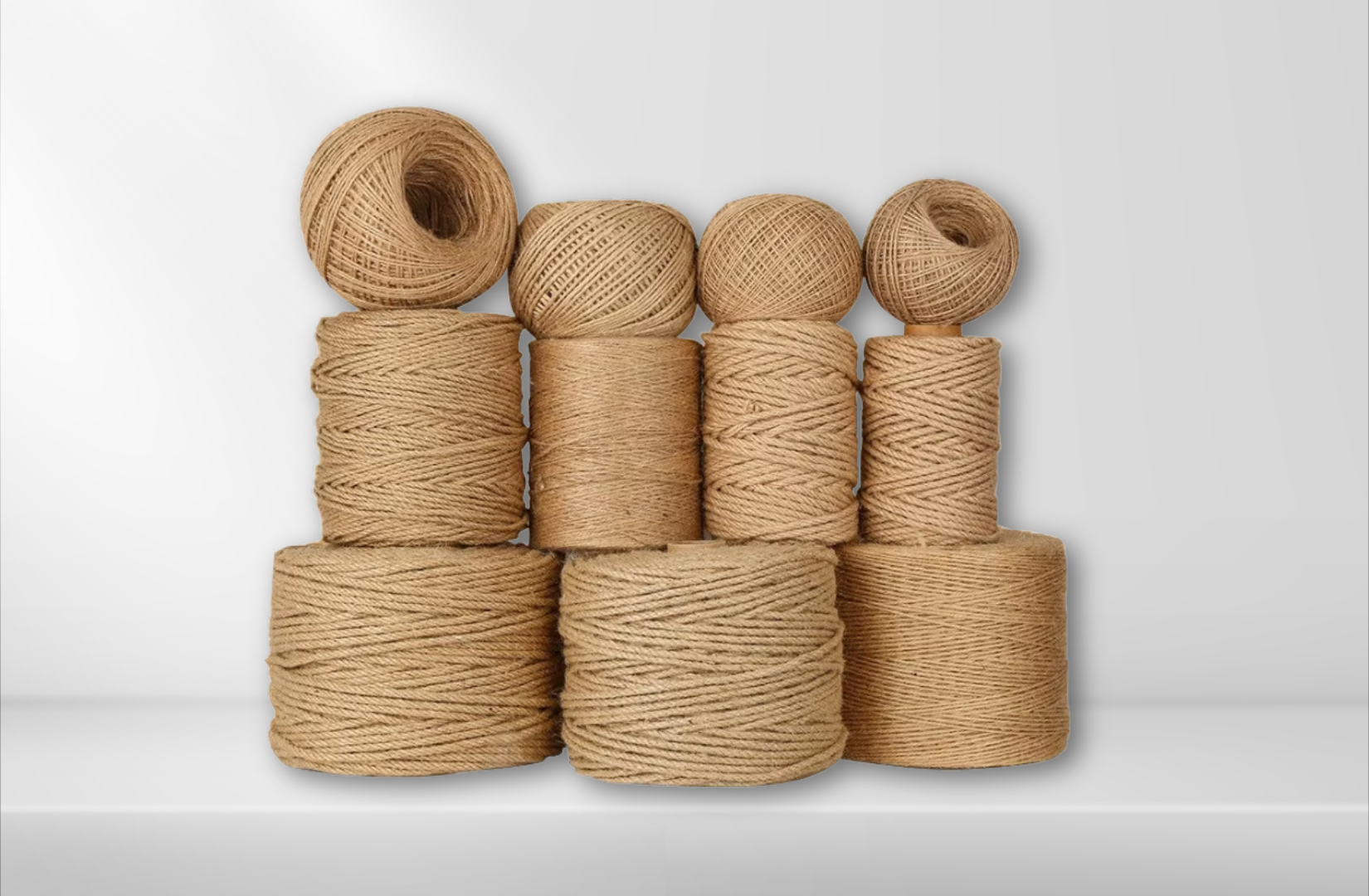
Introduction to Twine Jute
Twine Jute is a natural and environmentally friendly packaging material widely used across agriculture, manufacturing, and commercial industries. Made from plant-based jute fibers, this twine offers excellent tensile strength, flexibility, and biodegradability, making it a sustainable alternative to synthetic packaging solutions. Unlike plastic or polypropylene twines, jute twine decomposes naturally, reducing environmental impact and supporting eco-conscious business practices. At GM Rafiq – Iron Merchant, we provide high-quality jute twine to businesses across Pakistan, ensuring consistent quality and reliable performance for a wide range of applications. Twine jute is ideal for bundling agricultural produce, securing cartons, and crafting purposes, offering both strength and aesthetic appeal. Its natural texture and durability make it a preferred choice for companies aiming to combine functionality with sustainability.
Applications of Twine Jute
Twine Jute is highly versatile and finds application in various industries. In agriculture, it is commonly used for tying crops, bundling hay, and securing produce during harvesting and transportation. The packaging industry relies on jute twine for bundling cartons, sealing sacks, and reinforcing packaging structures. Additionally, jute twine is widely used in crafts, décor, and gardening due to its natural appearance and ease of handling. GM Rafiq – Iron Merchant supplies durable jute twine across Karachi and Pakistan, catering to businesses that require reliable and eco-friendly packaging solutions. Its strength and flexibility allow it to handle both lightweight and moderate loads, making it a practical choice for both industrial and creative applications.
Advantages of Using Twine Jute
Twine Jute offers numerous advantages that make it superior to many synthetic alternatives. Its biodegradable and recyclable nature makes it an environmentally responsible option, helping businesses reduce their carbon footprint. Jute twine is strong, flexible, and resistant to mild moisture, making it suitable for agricultural and packaging applications. Unlike plastic twine, it does not generate microplastics or harm the environment. Businesses sourcing from GM Rafiq – Iron Merchant in Pakistan benefit from high-quality, durable jute twine that supports sustainable packaging practices. Its natural finish also enhances product presentation, especially for organic, handmade, or eco-labeled goods, making it a preferred choice for environmentally conscious brands.
How to Choose the Right Twine Jute
Selecting the right twine jute depends on the intended application, load requirements, and environmental conditions. Thicker jute twine is suitable for heavy bundling tasks, while thinner options work well for light packaging and crafts. Consider moisture exposure and storage conditions, as prolonged dampness can affect natural fibers. At GM Rafiq – Iron Merchant, our experts guide businesses across Pakistan in choosing the appropriate grade, thickness, and quality of jute twine for their specific needs. Making the right selection ensures durability, efficiency, and reliable performance, while also maintaining eco-friendly standards in packaging and handling.
Maintenance and Storage of Twine Jute
Proper storage and maintenance are essential to preserve the strength and quality of jute twine. It should be kept in a dry, well-ventilated area away from direct sunlight and excessive moisture. Avoid contact with chemicals or sharp objects that may weaken the fibers. Regular inspection before use helps identify any signs of wear or degradation. GM Rafiq – Iron Merchant advises clients across Pakistan to follow these best practices to ensure long-lasting performance and consistent reliability. With proper care, twine jute remains a durable, sustainable, and cost-effective packaging solution for both industrial and commercial use.